Module 1
My Emerging Professional Social Worker Identity
I have developed an understanding that social workers are trained to understand the interconnections between people and their relationships to social systems such as family, the economy, law, education, and spirituality. When any of these systems break down, they can cause problems. Once these points are found, social workers use evidence-based interventions to help with these problems.
As a "hobby potter", the journey a piece of clay goes through came to mind as an analogy of the social worker’s role, and the social worker’s ability to find points within the system where problems arise.
In the potter’s process, there are a series of steps that need to be done properly to ensure the clay makes it to its final form. Each stage is critical, as the piece can be ruined at the very first stage if care has not been taken. Wedging, throwing, drying, trimming, drying again, sanding, bisque firing, sanding/smoothing again, decoration/glazing, and final firing, can be all for nothing if a mistake was made along the way. Only a well trained eye can spot an issue within this process. Sometimes mistakes go undetected until the very last step when we open the kiln. The final stage could reveal something beautiful, or it could reveal destruction caused by the heat and pressure of the final glaze firing. The only way to fix these problems is to go back into the process and find where the original issue began, and start over with that knowledge in mind. My mentor, Al Scott, was a retired Clinical Psychologists. I now wonder what theories he may have been reflecting on as he taught me.
This analogy of clay going through the process to become a pot brings a few frameworks to mind: the problem-solving approach, where we can try new approaches until we find a solution; the systems approach, which helps us to understand how every stage/system is related; and the strengths approach, which could uncover what the possible problems could be in the process.
Social workers work alongside people as they shape and reshape their lives and draw on evidence-informed processes, helping individuals draw on their own strengths, knowledge, and self-determination. Just as each piece of pottery develops its own unique shape, each person’s path reflects their own experience and history.





Reflection on Canadian History of Social Work to form my Social Worker Identity
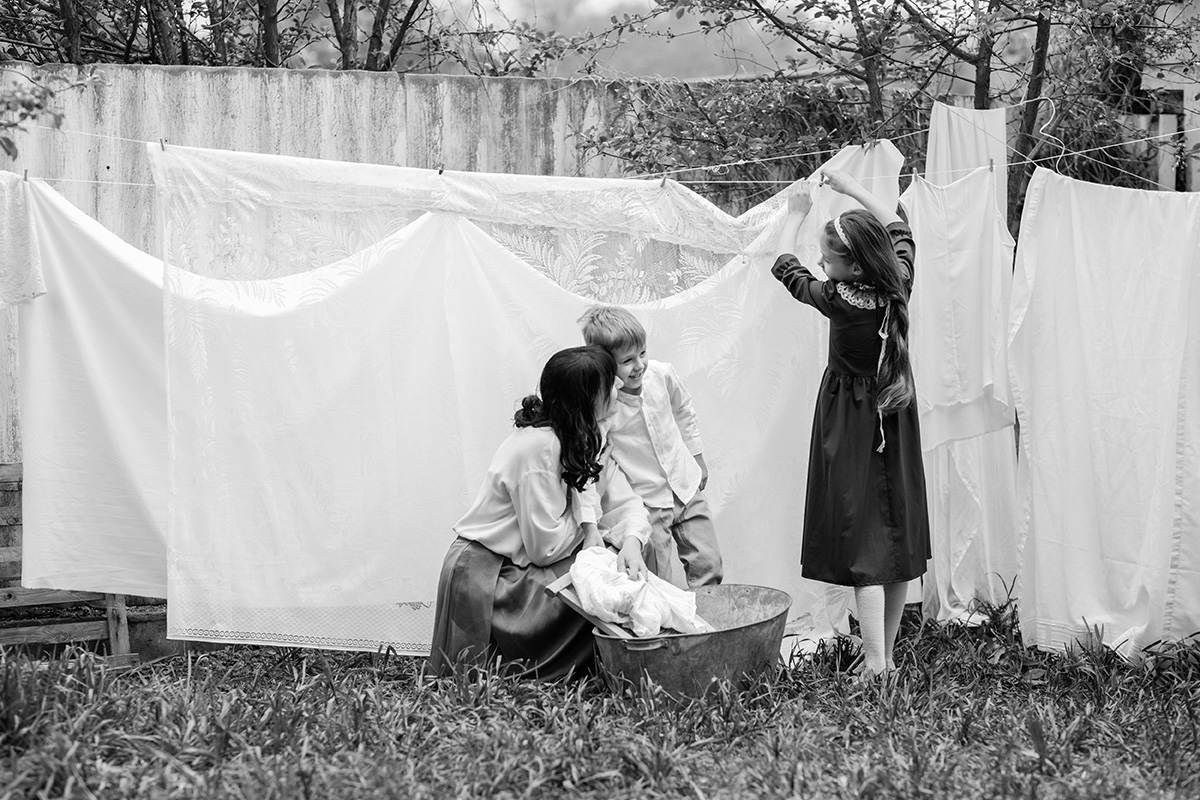



Colonial systems were set up to treat women differently based on their family ethic/role as a wife and mother.
TODAY // Women who work full-time still face an imbalance of responsibility for families and households. This resonates with me as a woman who has worked while raising children.
In early charity work, only those deemed deserving, like widows and orphans, were eligible to receive aid.
TODAY // Individuals are required to meet specific criteria in order to access the services they need. I see examples of this in my outreach volunteer work.
As a graphic designer, I have worked with a variety of theories and foundational principles; colour, alignment, contrast, balance, hierarchy, typography, Gestalt principles, layout and grid systems. I once had to continuously study and refer back to these ideas, but over time, they have gradually become a natural part of my practice. I imagine a similar process will happen in social work as I gain experience and put theoretical approaches into practice.
Module 2
My Emerging Professional Social Worker Identity
When I reflect on what I’ve learned from Module 2, a few things stand out to me.
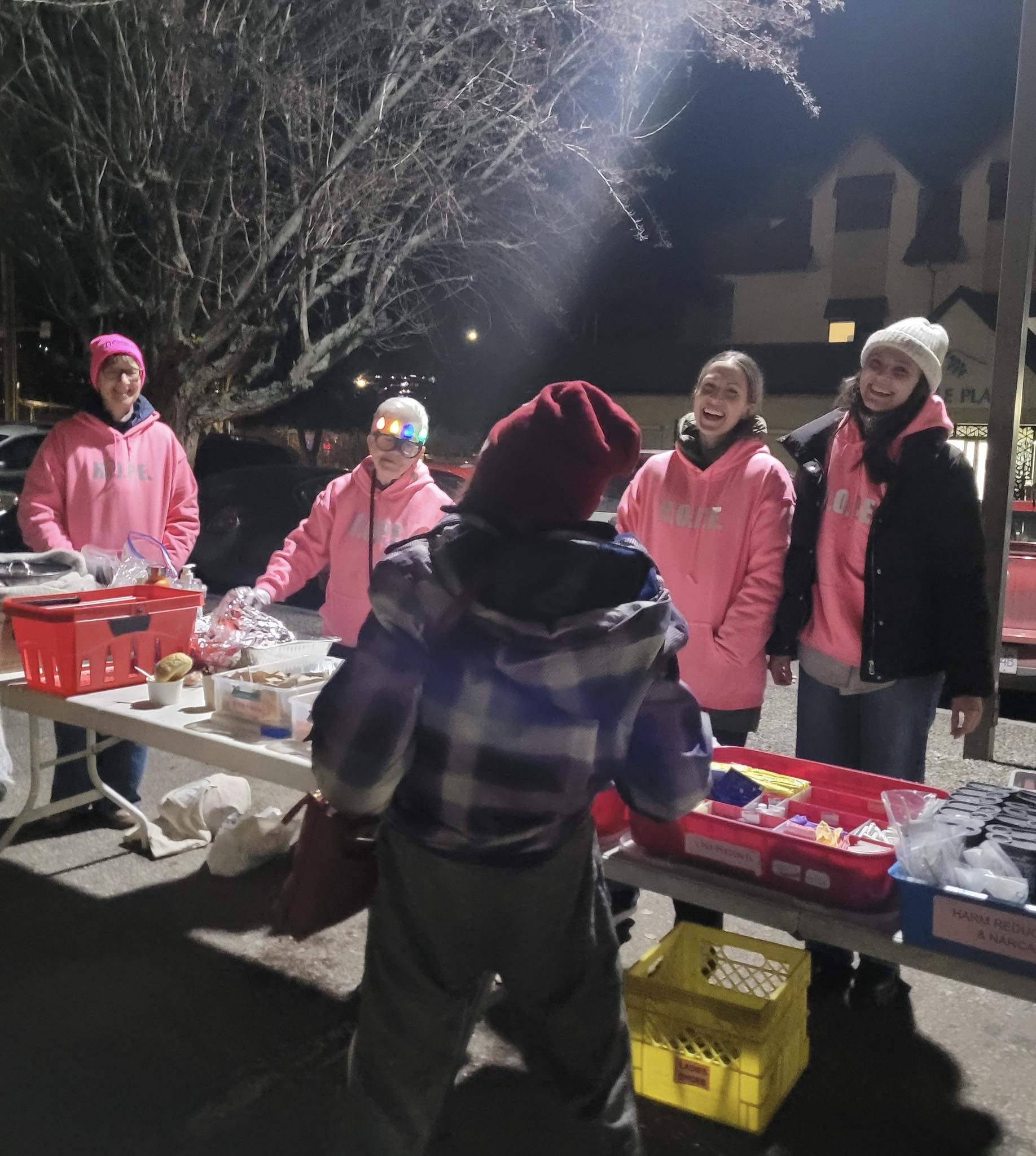
In my ongoing volunteer work with our homeless community in Vernon BC, I have felt uncertainty about whether I am helping or hurting the people I interact with by sharing details about myself in our conversations. It was validating to learn that there are conflicting views on self-disclosure within the social work profession, and reassuring to learn that disclosing my social location and various details about myself may help to strengthen the relationships I am building over time.
I will use these same thoughts when I make phone calls to seniors and isolated individuals through the Good Morning Program (GMP) at CMHA Vernon.
Communication skills outlined in Chapter 4 will immediately help me, as I can use these skills during my GMP phone calls. Although each call is intended to be under 5 minutes, the communication skills outlined; questioning, reflecting, summarizing are a good guide for me to use and will help in particularly when it is time to wrap up. Summarizing will provide a cue for a natural end to the call.


I found Tuckman’s Framework of Group Development incredibly interesting. Over the years I’ve been involved in various groups; socialization groups, teams, and committees. The five stages are relevant to any closed group, regardless of social worker involvement (Forming, Storming, Norming, Performing, and Adjourning). As I reflect on the group’s I’ve been part of, I can see how these stages progress, and I now understand that this can be the anticipated framework for group dynamics.
In Dr. Ellen Perrault’s video lectures, she points out that when discussing problems, issues or concerns to replace these words with ‘needs’. This is a great tool to minimize the negative and reframe as a human need, because we all share human needs. I look forward to implementing this in my volunteer work, and in the way I speak with my two teenage sons.

The story about the man who chose to reframe situations with the phrase “You never know” left an impact on me. I find myself grappling with a recent rejection from the University of Calgary’s BSW program. The rejection came on my 45th birthday. I'm determined to make a career transition from graphic design to social work, and I recognize that I no longer have time on my side... you never know.
Module 3 // FIELDS OF SOCIAL WORK PRACTICE
My Emerging Professional Social Worker Identity
In this module we explored a wide range in social work practice and looked deeper into roles with diverse populations. I’ve chosen to integrate what I’ve learned with a memory that was brought up while learning about social work practice with children. The event impacted my perceptions as a young person, and continues to impact me as I reflect on my emerging social worker identity.
In 1995 three boys in my small community, who were my age at the time, robbed and murdered an innocent fisherman. As I recall the community reaction to the event, I’m disappointed by the missed opportunity to engage with the school system to come together to work towards more positive steps forward.
Prior to the crime, I remember the boys as being labeled “troubled,” they were also victims of intergenerational trauma caused by colonialism. I have learned that at least two of these individuals have since passed away, having continued into adulthood involved in drugs and continued crime.
From my emerging social worker perspective and a social justice lens, I attempt to explore how these individuals’ interactions with various systems may have been improved throughout the stages of their lives.


As children, a social worker may have intervened in the three distinct areas of practice; child welfare, youth justice, and prevention (Ives et al., 2023, p. 196). A child welfare caseworker may have worked with their families to reduce their exposure to trauma and advocate on their behalf. As Indigenous young offenders, I wonder if the Judges involved considered alternatives to incarceration as required in the Criminal Code of Canada (Ives et al., 2023, p. 220). Perhaps an Indigenous approach to healing rather than the correctional system could have had better outcomes for these men.
I can speak to my own experience, that there was limited access to resources for high school students in regards to counselling and support. I reflect on the profound impact a social worker with as much dedicated and empathy towards his students as Chris Doughtery at Archbishop Molly High School (A Day in the Life: High School Social Work, 2015) can have. Could his approach to authentic relationship building, group work, and a safe trusting environment prevented the boys from committing such a crime?

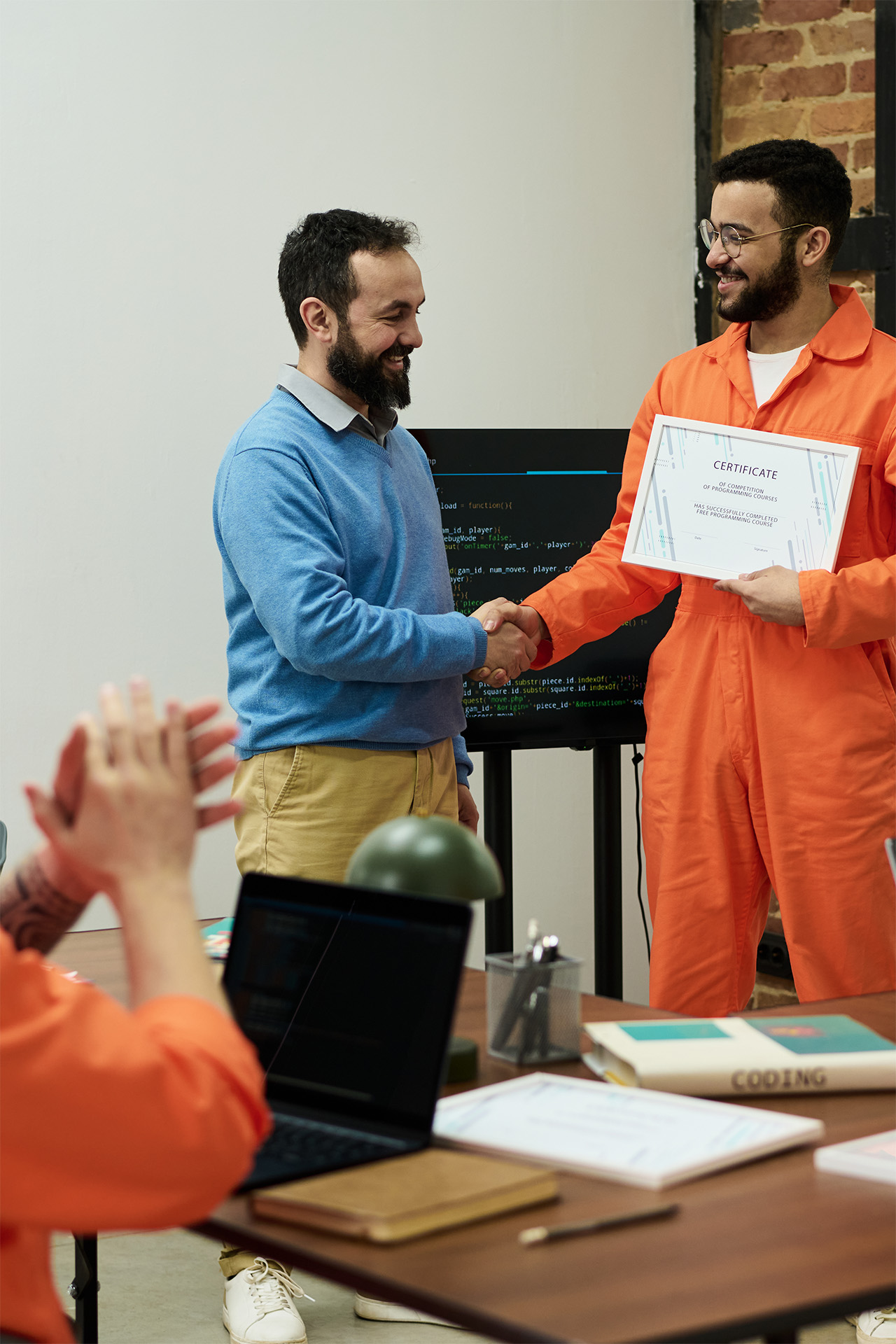
While incarcerated, perhaps a recovery resource program like the one seen in What it’s like to be a Social Worker in Criminal Justice (2017) could have equipped the men with skills and resources that may have improved their reintroduction into society.
This tragic event confirms the important role social workers play in providing preventative programs, intervention, support, and advocacy to peoples throughout their lives. Whether my path leads me to work in health, practice with children, immigrants and refugees, sexual and gender diversity, disability, aging, or international practice, my empathy and understanding has grown as I begin to understand the connections to systemic injustices. I hope to be a social worker who builds authentic, trusting relationships and continually learns and grows from those I work with.
Please click the link below for a list of references for licensed stock photos and video used on this page.
MODULE 4 // ETHICAL + PROFESSIONAL PRACTICE
My Emerging Professional Social Worker Identity
Digital technology has woven its way into many aspects of social work, creating opportunities and efficiencies as well as with ethical challenges. Although the Code of Ethics was updated in 2024, technology has been changing quickly with the emergence of AI, creating a continuous gap between technology and professional guidelines around ethics. As an emerging social worker and someone who has worked with technology throughout my career, I look forward to finding ways to contribute to the work around social work ethics and technology.
I recently read a news story about The RCMPs launch of HealthIM, an assessment tool in select communities throughout BC. Its purpose is to assist with the current mental health crisis, allowing officers to access information about triggers, risk factors and methods of de-escalation (Shykora, 2026). From what I could find, this tool does not specifically use AI, but it makes me question whether bias or ethics were considered during development. As an emerging social worker, I hope that my background and emerging perspectives could help to advocate for ethical development of tools like HealthIM.


Could AI help support ethical practice when it comes to complex decision making? Social workers face conflicting views, grey areas, seemingly countless frameworks, weighing out strategies, obligation to clients, families and communities. What if a tool could be designed to help analyze complex situations to create ethical solutions?
Because social workers have the huge responsibility of making decisions for clients, there may be room in the future for tools that can help process large amounts of information to help direct appropriate course of action when faced with complex issues. Social workers are trained and educated to identify their biases, perhaps AI tools could be trained to be socially aware and free from biases?
Learning about social workers ethical responsibility to look inside themselves to be aware of personal biases and provide services that are compatible with the client’s values, social location, worldview, religious beliefs, and other factors relevant to the client (Ives et al., 2025, p. 84) challenged my thinking.
As a third generation Canadian, I don’t have a connection to my ethnic roots and have never experienced being a visible minority or having traditions that weren’t shared by the majority. My biases are hard to define because I don't feel strongly attached to any particular set of ideals. I’ve never felt a connection to the religion I grew up in, which has been an ongoing journey of deconstructing.
Section E.2, Cultural Competence, of the Alberta College of Social Workers Standards of Practice has made me realize that I have a responsibility to identify and define my biases. As an emerging social worker, I am invested in doing the work of defining my cultural beliefs and biases so I can start to see how they affect my perception of others.